
You have heard green tea is good for weight management, but you are over 40, your mornings are packed and you are honestly not going to brew four cups a day. So is a green tea extract capsule the smarter swap, or is the drink still better? Here is a straight comparison built around one specific reader: the busy adult over 40.
The short answer
Brewed green tea is a pleasant, hydrating habit, but the amount of EGCG and caffeine changes with every cup. Green tea extract delivers a measured, standardized amount in seconds, every day. If you enjoy tea and have time to brew it, keep it. If what you want is a consistent, effortless daily dose for weight-management support, an extract inside a complete once-a-day formula such as AlkaBurn is the more practical choice for busy adults over 40.
Same leaf, two very different forms
Both options start with the leaves of Camellia sinensis. What makes green tea interesting for weight management is a family of compounds called catechins, the most studied of which is EGCG (epigallocatechin gallate), plus the tea’s natural caffeine. Research on green tea and body weight usually looks at catechins and caffeine together, because the pair appears to support daily energy use a little more than either one alone.
The difference is in the delivery:
- Brewed green tea is a drink. How much EGCG ends up in your mug depends on the leaves, the water temperature and how long you steep. A typical cup provides very roughly 50 to 100 mg of EGCG and a modest amount of caffeine, and two cups made the same way can still differ.
- Green tea extract is the leaf concentrated and standardized. The label tells you exactly how much extract you get and what share of it is polyphenols and EGCG. That means the dose is the same on Monday as it is on Friday.
Neither form melts fat on its own. The realistic role of green tea, in a cup or a capsule, is a small daily push that supports energy and the calories your body burns, working best next to sensible meals and more daily movement. If you want the background, our guide on how fat burners work explains the energy, thermogenesis and appetite routes in plain English.
Why the question matters more after 40
For many people, the 40s bring a busier calendar and a body that responds a little more slowly. Muscle mass tends to decline gradually with age unless you work to keep it, sleep often gets shorter, and long days make it easy to skip habits that take time. Our article on the slow metabolism after 40 covers the main reasons. Curious what the research actually shows? Our plain-English breakdown of the green tea extract weight loss study walks through the best-known meta-analysis.
That changes the comparison. The question is not only “which form has more research?” but also “which form will I actually use every single day for the next three months?” A habit that delivers a small benefit only works if it is repeated, and consistency is exactly where busy adults struggle.
Green tea vs. green tea extract: side by side
| What matters | Brewed green tea | Green tea extract (capsule) |
|---|---|---|
| EGCG per serving | Very roughly 50–100 mg, varies by leaf and steeping | Fixed and printed on the label |
| Caffeine | Modest, varies cup to cup | Known amount (often paired with added caffeine) |
| Time per day | 5–10 minutes per cup to brew and drink | A few seconds with a glass of water |
| Consistency | Depends on your routine and mood | Identical every day |
| Extra benefits | Hydration, ritual, a warm drink in winter | Easy to take at work, while traveling or on hectic mornings |
| Watch out for | Sugar, honey or syrups added to tea drinks | Stacking several products; follow the labeled serving |
| Best for | People who love tea and have a calm morning | People who want a measured daily dose without thinking about it |
One honest safety note applies to every concentrated form. The European Food Safety Authority reviewed green tea catechins in 2018 and noted that very high EGCG intakes from supplements, 800 mg a day or more, were linked to raised liver enzymes in studies. That is far above a standard serving, but it is the reason to take an extract exactly as the label directs and not to combine several green tea products.
Verdict by profile
Here is how the choice usually plays out for adults over 40:
- You love tea and your mornings are calmKeep brewing it. Two or three unsweetened cups a day is a lovely habit, adds fluid to your day and can replace sugary drinks.
- You work long hours or commute earlyThe capsule wins on consistency. You get the same measured amount whether the day is calm or chaotic, which is exactly what a small, steady benefit needs.
- You want help with more than energyGreen tea mostly supports the energy side. If afternoon snacking or portions are your real hurdle, a formula that also covers appetite fits better. See fat burner vs. appetite suppressant.
- You are sensitive to caffeineTake any caffeinated form early in the day and count every source. Decaf tea is gentler, and you should talk to your doctor before starting a caffeinated supplement.
- You want bothPerfectly fine. Many people take a once-a-day capsule in the morning and enjoy a cup of tea in the afternoon, as long as total caffeine stays sensible.
For most busy readers over 40, the realistic winner is the extract as part of a complete formula, with tea as an optional pleasure. That is the setup behind our recommendation below, and it is the reason we like AlkaBurn: its green tea extract is standardized and sits next to four complementary ingredients in one capsule.
Common mix-ups to avoid
- Counting sweet tea drinks as “green tea.” Bottled or café green tea drinks can contain a lot of sugar, which works against your goal. Plain brewed tea is the version that counts.
- Assuming more is better. With extracts, the labeled serving is the serving. Doubling up does not double results.
- Forgetting the caffeine total. Coffee, tea, sodas and supplements all add up. The FDA cites 400 mg a day as an amount not generally linked to negative effects for healthy adults.
- Judging it in a week. Green tea, in any form, offers a gentle daily nudge. Give a consistent routine several weeks and track how you feel, as in our guide is your fat burner working?
- Confusing green tea with green coffee. They are different plants with different compounds; our guide to green tea vs. green coffee bean extract explains how they complement each other.
Our recommendation: AlkaBurn
If you are a busy adult over 40 and you want green tea working for you every day without brewing pot after pot, AlkaBurn is the option we recommend. It was built exactly for this: one capsule a day with a standardized green tea extract inside a complete five-ingredient formula that covers both energy and appetite. Its label lists three goals: “supports weight management,” “promotes energy & vitality” and “supports appetite control.”
- Standardized green tea extract: 130 mg per capsule, 98% polyphenols and 45% EGCG, the same every day.
- Paired the smart way: with caffeine (138 mg) for energy, plus green coffee bean extract, garcinia and raspberry ketone on the appetite side, every dose printed on the label, no proprietary blend.
- Built for busy days: one capsule with 8 oz of water, 20 to 30 minutes before a meal. That is it.
- Risk-free to try: made in the USA in a GMP-certified facility, one-time payment and a 60-day money-back guarantee on every official order.
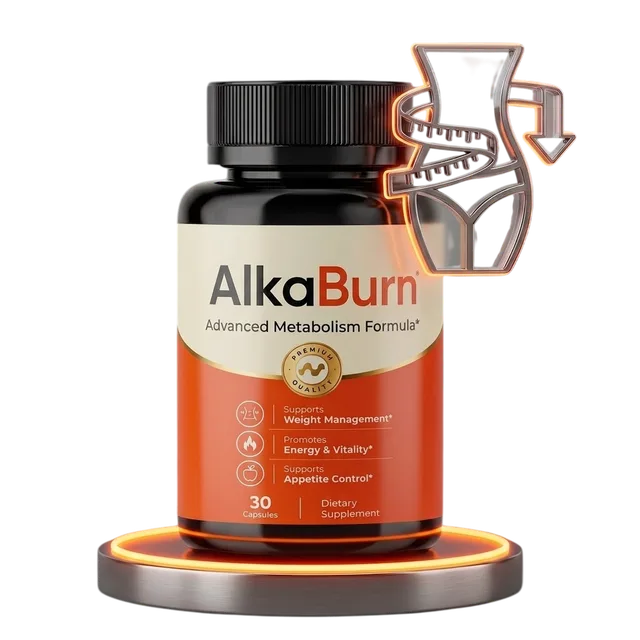
Pricing on the official site: 6 bottles at $49 per bottle ($294, free US shipping) is the best value, 3 bottles at $69 per bottle ($207, free US shipping) is the popular pick, and 2 bottles are $79 per bottle ($158 + $9.99 shipping). The 3- and 6-bottle packages include 6 digital bonuses.
Too busy to brew four cups a day? Get AlkaBurn from the official site — one capsule each morning, backed by the 60-day guarantee. Prefer to read more first? See our full AlkaBurn review.
Frequently asked questions
Is green tea extract the same as drinking green tea?
They come from the same leaf, but they are not the same thing. Brewed tea is a drink whose catechin and caffeine content changes with the leaves, water temperature and steeping time. An extract is a concentrated, standardized form, so a capsule delivers a known amount of polyphenols and EGCG every time.
How many cups of green tea equal a green tea extract capsule?
It depends on the extract and the tea. A typical brewed cup provides very roughly 50 to 100 mg of EGCG, so a standardized extract can match about one cup or several, depending on its strength. The AlkaBurn capsule contains 130 mg of green tea extract standardized to 45% EGCG, in a form that is identical every day.
Is green tea extract safe?
Used as the label directs, it fits a normal routine for healthy adults. The European Food Safety Authority noted in 2018 that very high EGCG intakes from supplements, 800 mg a day or more, were linked to raised liver enzymes in studies, so stick to the labeled serving and do not stack several green tea products. People with a liver condition, on medication, pregnant or nursing should talk to a doctor first.
Can I keep drinking green tea if I take AlkaBurn?
Yes, many people enjoy both. Just remember that each AlkaBurn capsule contains 138 mg of caffeine and green tea adds a little more, so count all your caffeine sources across the day. The FDA cites 400 mg a day as an amount not generally linked to negative effects for healthy adults.
When is the best time to take green tea extract?
Earlier in the day works best because of the caffeine. AlkaBurn is taken as one capsule with 8 oz of water, 20 to 30 minutes before a meal, which also lines up the appetite-side ingredients with the moment you make portion decisions.
Does decaf green tea help with weight loss?
Decaf green tea still contains catechins, although decaffeination can reduce them. Research on green tea and body weight usually involves catechins together with caffeine, which is why weight-management formulas pair the two.