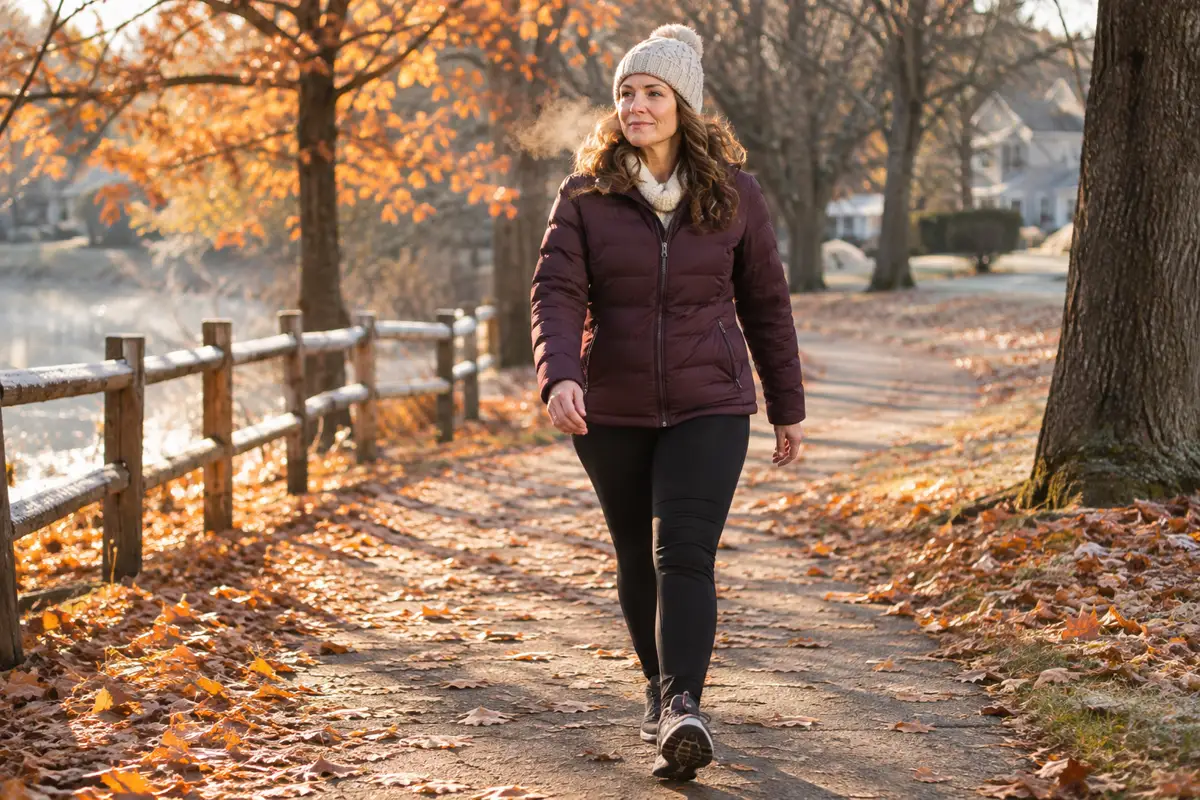
The temperature drops, you step outside and your whole body tightens against the wind. It feels like hard work, so it is natural to wonder: if my body is fighting the cold, am I burning extra calories? The short version is yes, a little. The longer version explains why winter so often goes the other way on the scale.
The short answer
Yes, being cold burns calories: your body spends energy to make heat through brown fat and, when it gets colder, through shivering. In real life the extra burn is modest, small enough that a holiday cookie can cancel it. What really decides your winter weight is movement, meals and sleep. A cold-weather walk is the best of both worlds, and a once-a-day thermogenic formula like AlkaBurn can support the energy you need to keep that routine going.
How your body makes heat
Your body keeps its core at roughly the same temperature all year. When the air around you is cold, it has two jobs: hold on to the heat it has and make more. Holding on is the easy part. Blood vessels near the skin narrow, which is why your hands and nose get cold first. Making more heat is where calories come in. Scientists call it thermogenesis, literally “heat creation,” and it happens in two main ways:
- Non-shivering thermogenesis. In mild cold, before you start to shiver, your body quietly turns up heat production, mainly through brown fat and some activity in your muscles. You do not notice it, but it costs a little energy.
- Shivering. When it gets colder, your muscles start to contract quickly and involuntarily. Shivering is a powerful heat maker and burns noticeably more energy, but it is also uncomfortable and not something anyone can keep up for long.
That word, thermogenesis, is also the idea behind “thermogenic” supplements, which use ingredients such as caffeine and green tea extract to support energy. We explain that side in plain English in how fat burners work, and our AlkaBurn review shows how one daily capsule puts those ingredients together.
Brown fat: the “heater” fat
Most body fat is white fat, which stores energy. Brown fat is different: it is packed with mitochondria, the tiny power plants of your cells, and its main job is to burn energy to produce heat. Babies have plenty of it to stay warm. Adults have much less, mostly around the neck, collarbones and along the spine.
The interesting part is that brown fat responds to temperature. A small study supported by the U.S. National Institutes of Health found that healthy men who slept in a cool room for several weeks showed more active brown fat, and that the effect faded when the room was warmed again. Researchers are still studying how much this matters for weight, so treat brown fat as a fascinating bonus, not a shortcut.
Brown fat activity also tends to vary from person to person and to drop with age, which is one more reason metabolism can feel slower after 40. Our guide on slow metabolism after 40 covers the bigger factors, like muscle and daily movement.
So how many calories are we talking about?
Here is the honest answer: it depends on how cold you are and for how long, and for everyday life it is small. Sitting in a cool office or walking from the car to the store adds very little. Mild cold without shivering adds a modest amount over an hour. Shivering adds more, but nobody can or should shiver for hours to lose weight.
Two more things shrink the effect in real life:
- We dress for the weather. A good coat, hat and gloves mean your body barely has to make extra heat. That is exactly what they are for.
- Cold can make you hungrier. Many people want warm, heavier food after time in the cold. If that becomes an extra snack, it easily cancels the bonus burn.
So the cold is a little helper, not the engine. The engine is still how much you move, what you eat and how well you sleep.
Why winter usually adds pounds instead
If cold burns calories, why do so many people gain a few pounds between Thanksgiving and New Year? Because winter changes much more than the temperature:
- Fewer stepsDark evenings, rain and snow keep people indoors. Daily walking, the most underrated calorie burner, quietly drops.
- Comfort food seasonStews, casseroles, pies and hot chocolate are part of the joy of winter, but they are richer than summer salads.
- Holiday eatingOffice parties, family dinners and cookie platters stack up from late November to January.
- Shorter days, messier sleepLess daylight can shift your body clock, and short sleep makes hunger and cravings louder the next day.
- Lower energyGray, cold days can make you feel sluggish, so the couch wins more often. Our guide on why you feel tired when dieting covers the energy side.
None of these are about temperature. They are about routine, which is good news, because routine is something you can control.
Cold-season habits that actually help
You do not need ice baths. Use the season to your advantage with these simple habits:
- Take the walk anyway. A brisk 20 to 30 minute walk in cool air burns calories through movement, and the cold adds a small bonus. Dress in layers so you can open your jacket as you warm up.
- Walk in daylight when you can. A morning or midday walk gives you light exposure, which supports a steady body clock and better sleep.
- Keep the bedroom cool and dark. Many sleep experts suggest a cool bedroom for comfortable sleep, and good sleep keeps next-day cravings quieter.
- Make comfort food lighter, not forbidden. Soups full of vegetables and beans, chili with lean meat, oatmeal with fruit. Warm and filling, without the heavy extras.
- Plan the holiday treats. Pick the ones you love, enjoy them, and skip the store-bought ones you do not care about.
- Drink water even when you are not thirsty. Cold weather can blunt thirst, and warm tea counts too.
Cold tricks vs. daily habits: a quick comparison
| Strategy | Extra energy used | Easy to keep all winter? | Our take |
|---|---|---|---|
| Sitting in a cooler room | Small | Yes, if comfortable | Nice for sleep, minor for weight |
| Cold showers | Small | Only if you enjoy them | Optional; ask your doctor if you have heart issues |
| Shivering on purpose | Higher, short-lived | No | Not worth it, and unsafe for some people |
| Daily brisk walk outside | Meaningful (movement plus a little cold) | Yes, with good layers | The best cold-weather habit |
| Protein and fiber at meals | Helps you stay full | Yes | Makes comfort-food season easier |
| A once-a-day thermogenic capsule | Supports energy and appetite control | Yes, one capsule a day | A practical partner for the routine |
Stay safe in the cold
Cold exposure is not a game. Dress in layers, cover your head and hands, and come inside if you start to shiver hard or feel numb. Older adults and people with heart conditions, high blood pressure, poor circulation or diabetes should be especially careful and ask their doctor before trying cold showers or long exposure. Children should never be kept cold on purpose. And if you feel unusually tired, dizzy or confused in the cold, get warm and seek medical help.
Our recommendation: AlkaBurn
The cold gives your metabolism a small nudge. The real results come from what you do every day, and AlkaBurn is the option we recommend to support that routine through the darker months. It was made to be a simple daily partner: one capsule with 8 oz of water, 20 to 30 minutes before a meal, and its label lists three goals: “supports weight management,” “promotes energy & vitality” and “supports appetite control.”
- Thermogenic energy for gray mornings: 138 mg of caffeine plus green tea extract (130 mg, 98% polyphenols, 45% EGCG) to help you get out the door for that walk.
- Appetite support in comfort-food season: green coffee bean extract, garcinia and raspberry ketone, 130 mg each, every dose printed on the label.
- One capsule, no fuss: nothing to mix or measure, easy to keep next to your coffee maker all winter.
- Risk-free to try: made in the USA in a GMP-certified facility, one-time payment and a 60-day money-back guarantee on every official order.
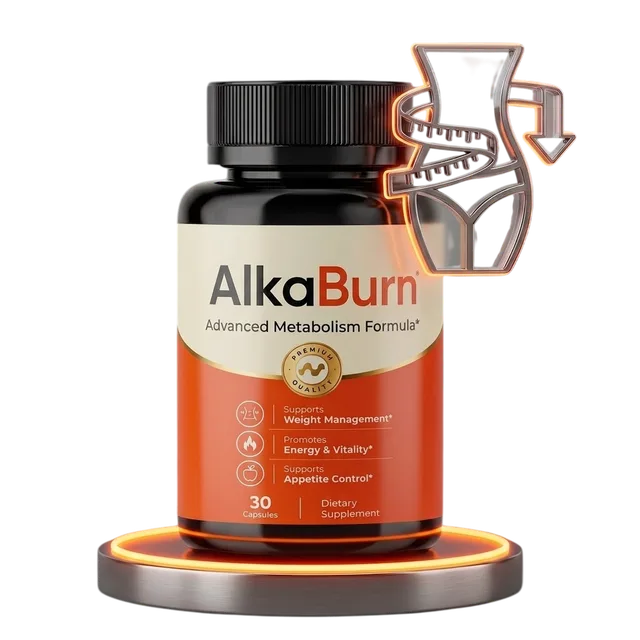
Pricing on the official site: 6 bottles at $49 per bottle ($294, free US shipping) is the best value, 3 bottles at $69 per bottle ($207, free US shipping) is the popular pick, and 2 bottles are $79 per bottle ($158 + $9.99 shipping). The 3- and 6-bottle packages include 6 digital bonuses.
Ready to make this winter your strongest season? Get AlkaBurn from the official site — one capsule a day, backed by the 60-day guarantee. Want every detail first? Read our full AlkaBurn review. Not sure when to take it? See the best time to take a fat burner.
Frequently asked questions
Does being cold burn calories?
Yes. When you are cold, your body makes extra heat through brown fat and, if it gets colder, through shivering, and both use energy. In everyday life the extra burn is modest, so being cold is a small bonus, not a weight-loss plan on its own.
What is brown fat?
Brown fat (brown adipose tissue) is a type of fat whose main job is to burn energy to produce heat. Adults have small amounts, mostly around the neck, collarbones and along the spine, and it becomes more active when you are exposed to cool temperatures.
Do cold showers help you lose weight?
A cold shower makes your body work a little harder to warm up, but the extra calories are small. If you enjoy them, they are fine for most healthy adults; if you have a heart condition or high blood pressure, ask your doctor first. Daily walking and steady eating habits matter far more.
Why do I gain weight in winter if cold burns calories?
Because the small extra burn is easily outweighed by what winter changes: fewer steps, more time indoors, heavier comfort food, holiday treats and shorter, darker days that can disturb sleep. Those habits move the scale much more than temperature does.
Should I keep my house colder to lose weight?
A slightly cooler bedroom can support comfortable sleep, and some small studies link mild cool exposure to more active brown fat. But keep it comfortable and safe, especially for older adults and children, and do not rely on the thermostat instead of daily habits.
Can a thermogenic supplement replace being cold?
No supplement replaces healthy habits, but a thermogenic formula can support the energy side of your routine. AlkaBurn combines 138 mg of caffeine with green tea extract and three other ingredients in one daily capsule, designed to support energy, appetite control and weight management.