You started eating better, cut back on snacks and cleaned up your drinks. The scale is moving, but you feel like a phone stuck on 20% battery: heavy eyelids at 2 p.m., no spark for the evening walk, and a strong urge to give up and order pizza. Sound familiar?
The short answer
Most diet fatigue comes from eating too little, too irregularly or with too little protein, not from losing weight itself. A deficit that is too big, long gaps between meals, a sharp cut in carbohydrates, mild dehydration, short sleep and the extra effort of willpower all drain energy. The fix is a moderate deficit, protein at every meal, regular eating times, water and sleep. A once-a-day formula such as AlkaBurn can add a measured lift so you stay active while the habits settle in.
Is feeling tired on a diet normal?
A little tiredness in the first week or two is common. Your body is used to a certain amount of fuel at certain times, and when you change both, it takes a few days to adapt. People who cut carbohydrates sharply often describe this phase as the "low-carb flu": headaches, brain fog and heavy legs that usually fade as the body adjusts.
What is not normal is feeling worse week after week. That is a sign the plan itself is too hard on you, and the good news is that it is usually easy to correct. Feeling drained also matters for results: when energy is low, people move less without noticing, snack more in the afternoon and quit sooner. Getting your energy back is not a luxury; it is part of losing weight.
7 reasons dieting makes you tired
1. Your calorie deficit is too big
This is the most common cause. Going from 2,200 calories to 1,200 overnight leaves the body with much less fuel than it is used to. Research on weight loss consistently describes the body adapting to a large deficit by using a little less energy, and part of that shows up as you simply moving less and feeling flat. A moderate deficit, the kind you could keep for months, is far easier on your energy.
2. Long gaps between meals
Skipping breakfast, a tiny salad at lunch and nothing until a late dinner means long stretches with very little coming in. For many people that produces a mid-afternoon crash, irritability and a rebound of hunger in the evening. Regular meals keep energy steadier.
3. Too little protein
Protein helps you feel full and supports the muscle that keeps you strong and active. Diets built on salads, fruit and "light" products are often low in it, which leaves you hungry an hour after eating and more tired overall. Eggs, Greek yogurt, fish, chicken, lean meat, tofu and beans are easy wins.
4. A sharp cut in carbohydrates
Carbohydrates are the body's quickest fuel. Cutting them dramatically can make workouts feel harder and leave you foggy for a while. You do not have to go low-carb to lose weight; swapping refined carbs for fiber-rich ones (oats, beans, fruit, potatoes with the skin, whole grains) usually keeps energy steadier.
5. You are mildly dehydrated
Many people drink less when they drop sodas, juices and sweet coffee drinks, and they forget to replace that fluid with water. Early in a diet the body also tends to shed some water. Mild dehydration easily feels like tiredness or hunger.
6. Short or broken sleep
Going to bed hungry, late-night screen time or an afternoon coffee can all cut into sleep. And short sleep works against you twice: it makes you tired and it makes hunger and cravings louder the next day.
7. Willpower fatigue
Saying "no" to the office donuts, planning every meal and tracking every bite takes mental effort. When a plan relies entirely on willpower, people often describe feeling mentally worn out by evening, exactly when the cravings show up. Simple, repeatable routines reduce the number of decisions you have to make.
Notice the pattern: almost every cause is about how you diet, not about the fact that you are losing weight. That is why small adjustments can make such a big difference, and why a once-a-day support like AlkaBurn, with caffeine and green tea extract for energy, fits so naturally into a plan that is already well built.
Quick check: which one is yours?
| If you notice… | Likely cause | Simple fix |
|---|---|---|
| Exhausted all day, every day | Deficit too big (1) | Add 200–300 calories, mostly protein |
| Crash at 2–4 p.m. | Meal gaps (2) or low protein (3) | Protein-first lunch; planned snack |
| Foggy, heavy legs in week 1 | Sharp carb cut (4) | Bring back fiber-rich carbs |
| Tired and "hungry" at odd times | Dehydration (5) | A glass of water with every meal and snack |
| Groggy mornings, big cravings | Poor sleep (6) | Fixed bedtime; caffeine only before noon |
| Fine at noon, drained by evening | Willpower fatigue (7) | Repeat the same few meals; remove temptations |
How to lose weight without feeling drained
- Aim for a moderate deficitLosing weight a little more slowly while feeling good beats losing fast and quitting in week three. If you are exhausted, eat a bit more and keep going.
- Put protein on every plateStart each meal with a palm-sized portion. It keeps you full and protects the muscle that keeps you active.
- Eat on a rhythmThree meals, or three meals and a planned snack, at roughly the same times each day. Fewer crashes, fewer emergency snacks.
- Choose smarter carbs, not zero carbsOats, fruit, beans, whole grains and potatoes give steadier energy than white bread and sweets.
- Drink before you snackA glass of water first is a simple filter for thirst that feels like tiredness or hunger.
- Move a little, oftenA 10–20 minute walk after a meal is one of the most reliable energy boosters there is. It sounds backwards, but light movement usually leaves you less tired, not more.
- Protect your sleepA consistent bedtime and caffeine only in the first half of the day. Sleep is part of the plan.
- Give your energy a measured liftA once-a-day capsule with a clearly labeled caffeine dose, taken in the morning or before lunch, can make the active part of the day easier.
If your energy is fine but the scale has stopped moving, our guide to the weight loss plateau covers the next step. And if the gym is not realistic right now, see our no-exercise daily plan.
When to talk to your doctor
Ordinary diet fatigue improves when you eat a bit more, eat regularly and sleep well. Talk to a doctor if tiredness is severe, lasts more than a few weeks despite these changes, or comes with dizziness, fainting, a racing heart, shortness of breath, very heavy periods, hair loss or weight loss you cannot explain. Low iron, thyroid issues and other conditions can cause fatigue, and they are easy to check with a simple blood test. Also speak to your doctor before changing your diet if you take medication or have a medical condition.
Our recommendation: AlkaBurn
Once your meals are regular, your protein is up and your deficit is sensible, the last piece is a little help with energy on the days that feel heavy, and for that AlkaBurn is the option we recommend. It was designed for exactly this stage: one capsule a day that supports energy, appetite and weight management together, so staying active while you eat less feels easier.

- A measured energy lift: 138 mg of caffeine anhydrous plus 130 mg of green tea extract (98% polyphenols, 45% EGCG) per capsule. One clear number on the label, so it is easy to fit into your daily caffeine total.
- Appetite support for the afternoon dip: green coffee bean extract (130 mg, 50% chlorogenic acids), garcinia (130 mg, 50% HCA) and raspberry ketone (130 mg) are included for weight management and appetite, right where diet fatigue tends to turn into snacking.
- One simple routine: one capsule daily with 8 oz of water, 20–30 minutes before breakfast or lunch, which also keeps caffeine away from bedtime.
- Room to see results: made in the USA in a GMP-certified facility, one-time payment with no subscription and a 60-day money-back guarantee.
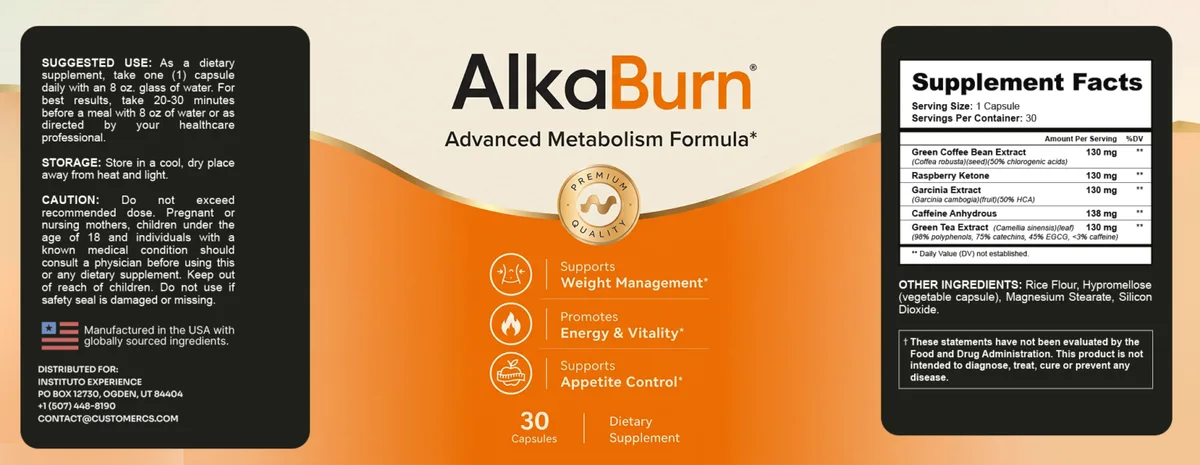
Pricing is straightforward: 6 bottles at $49 per bottle ($294, free US shipping) is the best value, 3 bottles at $69 per bottle ($207, free US shipping) is the popular choice, and 2 bottles are $79 per bottle. The 3- and 6-bottle packages include 6 digital bonuses and cover the weeks a new routine needs to settle in.
AlkaBurn is sold only through the official website. If you are pregnant or nursing, under 18, sensitive to caffeine, taking medication or living with a medical condition, check with your doctor first and always follow the label.
Fuel the plan, then give your energy a helping hand. Get AlkaBurn from the official site — or read our full AlkaBurn review for every ingredient, customer reports and our 4.7/5 verdict.
Frequently asked questions
Is it normal to feel tired when you start a diet?
A little, yes. In the first one to two weeks many people notice lower energy while the body adjusts to eating less, especially if they cut calories or carbohydrates sharply. It should ease as your routine settles. Tiredness that is severe, keeps getting worse or comes with dizziness, fainting or unexplained weight loss is a reason to see your doctor.
Does a calorie deficit make you tired?
A moderate deficit usually does not cause lasting fatigue. A very large one often does, because the body has less fuel available and tends to respond by moving less and feeling more sluggish. Most people do better with a modest deficit they can keep for months than with an extreme one that leaves them exhausted.
What should I eat to have more energy on a diet?
Build each meal around protein, add fiber-rich vegetables, fruit or whole grains, and do not go many hours without eating. Steady meals avoid the energy crash that follows long gaps. Drink water through the day, since mild dehydration also feels like tiredness.
Can a fat burner help with low energy while dieting?
A caffeine-based formula can give you a lift that makes it easier to stay active while you eat less. AlkaBurn, for example, contains 138 mg of caffeine plus green tea extract in one daily capsule, taken 20 to 30 minutes before a meal. Count your total caffeine from all sources and keep it in the first half of the day so it does not cut into sleep.
How long does diet fatigue last?
For most people the early adjustment fades within one to two weeks once meals are regular, protein is adequate and sleep is protected. If you still feel drained after a few weeks, your deficit may be too large, or something else such as iron levels or a thyroid issue may be involved, so it is worth checking with a doctor.
Should I stop dieting if I feel exhausted?
Do not quit; adjust. Eat a little more, especially protein, close long gaps between meals, and slow the pace of weight loss. Losing weight a bit more slowly while feeling good is far more sustainable than pushing through exhaustion and giving up a month later.