
You step on the scale on Monday and you are down three pounds. By Thursday, two of them are back, even though you did everything right. Was it fat? Was it water? Did you just lose muscle? If the number on the scale confuses you, you are not alone, because the scale measures something different from what most of us actually want to lose.
The short answer
Weight loss is any drop on the scale, whether it comes from water, muscle, stored carbohydrate or fat. Fat loss is the drop in body fat itself, and it is the change that reshapes your waist and stays off. You can tell them apart by speed and by what else changes: water moves fast and bounces back, while fat loss is slower and shows up on the tape measure and in how your clothes fit. Protein, strength work, daily walking and good sleep keep the loss coming from fat, and a once-a-day formula like AlkaBurn can support the energy and appetite side of that routine.
What the scale really measures
A bathroom scale gives you one number: the total weight of everything you are carrying at that moment. That number includes several very different things:
- Water. More than half of an adult body is water, and the amount shifts every day with salt, carbohydrates, hormones, heat, workouts and sleep.
- Glycogen. Your muscles and liver store carbohydrate as glycogen, and every gram of it is stored together with water. Cut carbs and you lose both quickly; eat a big pasta dinner and both come back.
- Gut contents. The food and fiber still making their way through your digestive system can easily add a pound or two.
- Muscle and other lean tissue. Muscle is the tissue that keeps you strong and burns energy all day, so it is the last thing you want to lose.
- Body fat. The stored energy that most people mean when they say “I want to lose weight.”
Only the last item is fat loss. The first three can move by several pounds in either direction in a single week without any real change in body fat. That is why a single weigh-in tells you very little, and why weekly trends matter more than daily numbers. If you have been stuck for a while, our guide on the weight loss plateau explains how to read those trends.
Fat loss vs. weight loss at a glance
These two get mixed up all the time. The table below puts the differences side by side:
| Weight loss (scale) | Fat loss | |
|---|---|---|
| What it measures | Total body weight: water, glycogen, gut contents, muscle and fat | Body fat only |
| How fast it moves | Can change 2–4 lb in a day | Slow and steady, week over week |
| Bounces back? | Water and glycogen return quickly | Stays off as long as habits hold |
| Best way to track | Scale, ideally a weekly average | Waist tape measure, clothes fit, photos, body-composition tools |
| What drives it | Salt, carbs, fluids, crash dieting, muscle loss | A steady, moderate calorie gap with protein, movement and sleep |
| How it feels | Quick wins, then frustrating swings | Looser clothes, more energy, better strength |
Water weight: the great pretender
Water is the reason the first week of almost any diet looks amazing and the second week feels like a betrayal. When you cut back on calories and carbohydrates, your body taps into stored glycogen, and the water attached to it leaves too. The scale drops fast. Then the drop slows down to the real pace of fat loss, and many people think the plan has stopped working.
Water also explains the scary jumps. A salty restaurant meal, a long flight, a hard leg workout, a poor night of sleep or the days before a period can all add a few pounds of water overnight. None of that is fat. Gaining a pound of real body fat takes a large surplus of food over time, not one dinner.
The fix is simple: weigh yourself at the same time each morning, after the bathroom and before breakfast, and look at the average for the week instead of reacting to each number.
Why losing muscle is the wrong kind of weight loss
Crash diets, very low protein and cardio-only routines can all make the scale drop faster, but part of that loss can come from muscle. That matters for three reasons. Muscle helps you stay strong and steady as you get older, it uses energy even at rest, and it gives your body its shape. Losing it can leave you lighter but softer, more tired and more likely to regain.
Muscle tends to decline gradually with age unless you work to keep it, which is one of the reasons we wrote about slow metabolism after 40. The goal is not just “lose weight” but “lose fat and keep muscle.”
How to tell which one you are losing
You do not need a lab. Use a few signals together and the picture gets clear:
- Measure your waist once a week.Wrap a soft tape measure around your waist at the level of your belly button, relaxed, same day and time each week. A shrinking waist is one of the clearest everyday signs of fat loss.
- Use your clothes as a test.Pick one pair of jeans that fits snugly today and try them on every two weeks. Clothes do not care about water swings.
- Track a weekly average on the scale.Seven morning weigh-ins averaged together smooth out water. A slow, steady downward trend usually means fat loss.
- Watch your strength and energy.If you can carry groceries, climb stairs or lift the same weights as before, you are probably keeping muscle while losing fat.
- Take a monthly photo.Same spot, same light, same clothes. Changes that are invisible day to day become obvious month to month.
Body-fat scales and other body-composition tools can help you see trends, but every method has some measurement error, so treat any single reading as a rough estimate. For a practical tracking routine, our guide on signs your fat burner is working lays out what to check in the first 30 days.
Habits that keep the loss coming from fat
The good news: the habits that favor fat loss over water and muscle loss are simple and sustainable.
- A moderate calorie gap, not a crash diet. Slower, steady loss gives your body less reason to give up muscle and is easier to keep up.
- Protein at every meal. Eggs, Greek yogurt, fish, chicken, beans or tofu help protect muscle and keep you full longer.
- Strength work two or three times a week. Bodyweight squats, push-ups against the counter, resistance bands or weights. It tells your body the muscle is still needed.
- Daily walking. Steps add up to real energy use without wearing you out.
- Sleep of seven hours or more. Short sleep makes hunger and cravings louder the next day.
- Steady energy and appetite support. The hardest part of fat loss is consistency on tired days and in the late afternoon. That is where a daily formula like AlkaBurn fits in.
When a change in weight needs a doctor
Unexplained weight loss when you are not trying, rapid weight gain with swelling in the legs or belly, or big changes along with thirst, fatigue or shortness of breath are reasons to see your doctor rather than adjust your diet. The same goes for anyone who is pregnant, nursing, managing a medical condition or taking prescription medication before starting a new supplement.
Our recommendation: AlkaBurn
Real fat loss comes from repeating good habits day after day, and AlkaBurn is the option we recommend to support that routine. It was made exactly for this job: one capsule with 8 oz of water, 20 to 30 minutes before a meal, with a label that lists three goals: “supports weight management,” “promotes energy & vitality” and “supports appetite control.”
- Energy for the walk and the workout: 138 mg of caffeine plus green tea extract (130 mg, 98% polyphenols, 45% EGCG) help you show up for the movement that drives fat loss.
- Appetite support for steady eating: green coffee bean extract and raspberry ketone, each at a dose printed on the label, are there to support appetite control and fat metabolism.
- The easiest habit in the plan: nothing to mix or weigh, just one capsule before a meal.
- Risk-free to try: made in the USA in a GMP-certified facility, a one-time payment and a 60-day money-back guarantee on every official order.
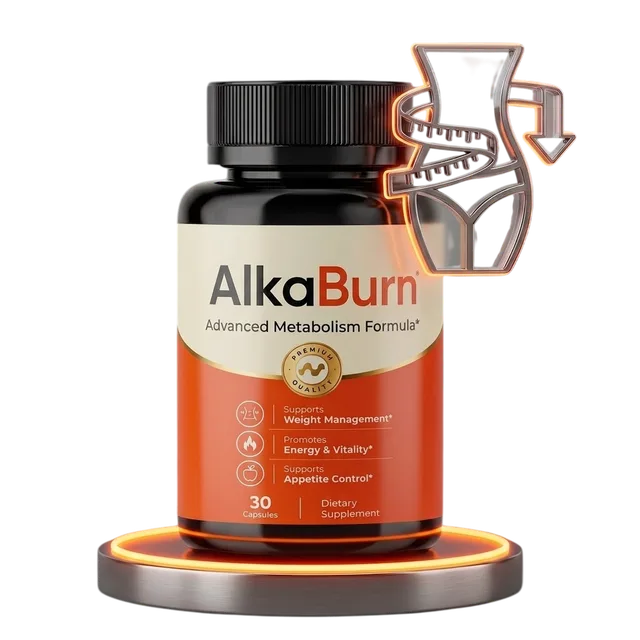
Current prices on the official site: 6 bottles at $49 per bottle ($294) is the best value, 3 bottles at $69 per bottle ($207) is the popular pick, and 2 bottles are $79 per bottle. The 3- and 6-bottle packages include 6 digital bonuses.
Ready to make the next pounds you lose count? Get AlkaBurn from the official site — one capsule a day, backed by the 60-day guarantee. Want every detail first? Read our full AlkaBurn review or go back to the AlkaBurn Wellness home page.
Frequently asked questions
What is the difference between fat loss and weight loss?
Weight loss is any drop in total body weight, which can come from water, muscle, stored carbohydrate, gut contents or fat. Fat loss means the amount of body fat itself went down. Most people actually want fat loss, while keeping as much muscle as possible.
How do I know if I am losing fat or water?
Water weight moves fast: big drops in the first days of a diet, or jumps of 2 to 4 pounds after a salty or carb-heavy meal. Fat loss is slower and steadier, and it shows up as a smaller waist and looser clothes over two to four weeks, not overnight.
Can I lose fat without the scale moving?
Yes, sometimes. If you start strength training or walk much more, you may hold on to muscle and some extra water in the muscles while body fat goes down. That is why a tape measure and how your clothes fit are worth tracking alongside the scale.
Why did I lose so much weight in the first week?
Mostly water. When you eat fewer carbohydrates and calories, your body uses up stored carbohydrate (glycogen), and glycogen is stored with water. The fast first-week drop is normal and encouraging, but the slower weeks after it are where most of the fat loss happens.
Are bioimpedance body-fat scales accurate?
They are useful for spotting trends but not precise for a single reading, because hydration, meals and time of day change the result. If you use one, weigh in at the same time each morning and look at the average over several weeks.
Can a supplement help with fat loss?
No supplement replaces habits, but a well-designed formula can support them. AlkaBurn is a once-a-day capsule with 138 mg of caffeine, green tea extract, green coffee bean extract and raspberry ketone, designed to support energy, appetite control and weight management while you build the routine.